
In the healthcare and pharmaceutical industry, maintaining the sterility of medical products is essential for patient safety. Sterile medical products such as syringes, surgical instruments, implants, and pharmaceutical devices must remain free from microorganisms from the time they are manufactured until they are used. Packaging plays a critical role in ensuring this sterility.
At ND Packaging, we recognize that medical packaging is not just a protective layer—it is a vital safety system designed to preserve sterility, quality, and compliance.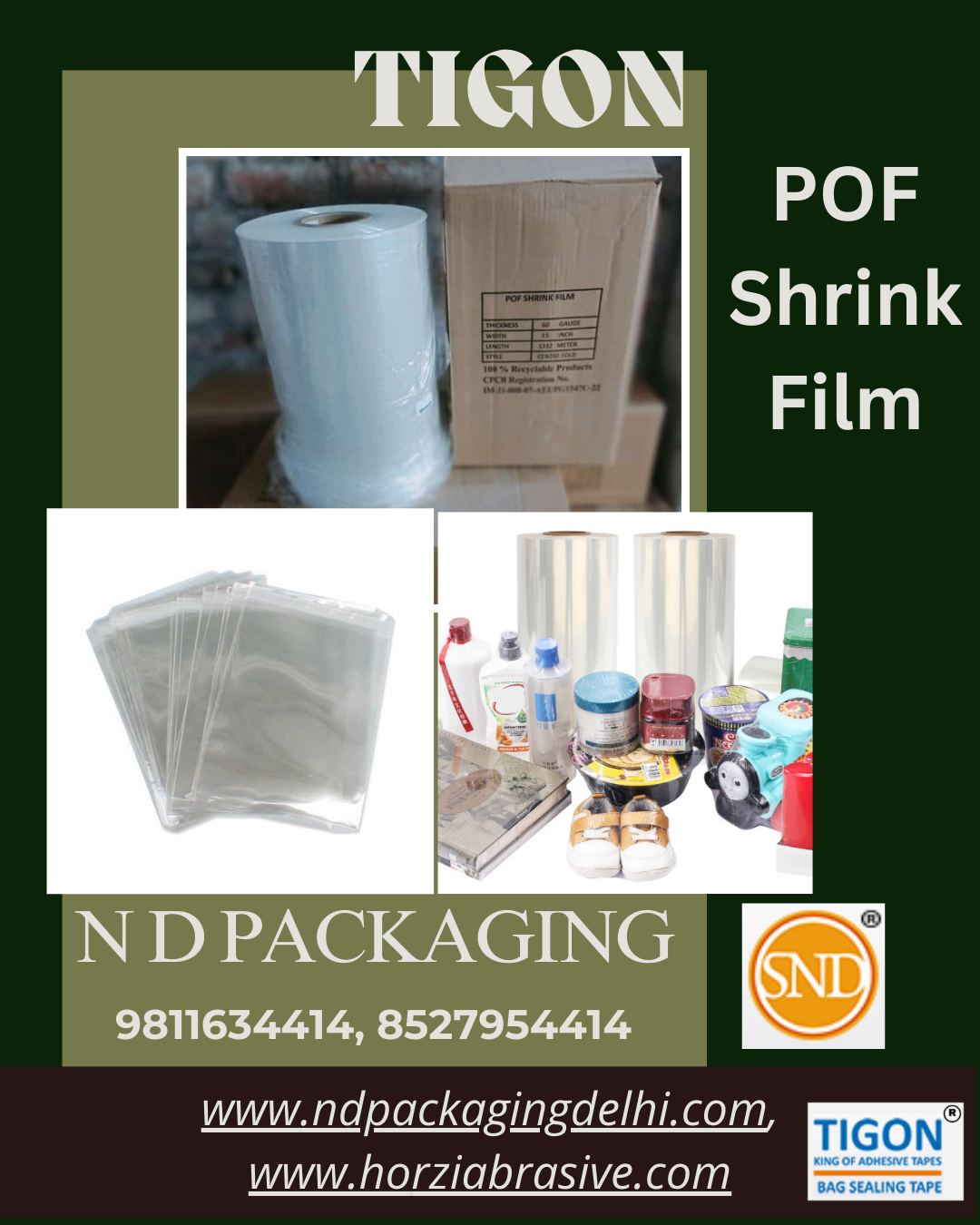
Barrier Protection Against Contamination
Sterile medical products are highly vulnerable to contamination from bacteria, dust, moisture, and air. High-quality packaging materials act as a strong barrier that prevents external contaminants from entering the package.
Materials such as medical-grade films, laminates, and secure sealing solutions help maintain a controlled environment inside the package. Proper barrier protection ensures that sterility is preserved throughout storage and transportation.
Supporting Sterilization Processes
Medical products often undergo sterilization methods such as ethylene oxide (EtO), gamma radiation, or steam sterilization. Packaging materials must be compatible with these processes while maintaining their integrity.
Specialized packaging materials allow sterilizing agents to penetrate the package and eliminate microorganisms, while still preventing recontamination after the process is complete. This makes packaging an essential component of the overall sterilization system.
Maintaining Seal Integrity
A sterile product is only as safe as its seal. Weak or damaged seals can compromise sterility and render medical products unsafe for use.
High-performance sealing tapes, films, and wraps help maintain seal integrity during handling and transit. Durable packaging reduces the risk of leaks, punctures, or seal failures that could expose products to contamination.
Protection During Storage and Transportation
Medical products often pass through multiple handling stages before reaching hospitals or clinics. Packaging must protect sterile items from physical damage, vibration, and environmental exposure.
Strong and reliable packaging materials ensure that sterility is maintained even during long-distance transportation and extended storage periods.
Compliance with Medical and Regulatory Standards
Medical packaging must comply with strict international standards and regulations related to safety, hygiene, and traceability. Proper packaging supports compliance by maintaining sterility, providing tamper evidence, and ensuring consistent quality.
Using reliable packaging solutions helps manufacturers reduce risks, avoid product recalls, and meet regulatory expectations.
Building Trust in Healthcare Products
Sterile packaging provides visible assurance to healthcare professionals and patients. Clean, intact, and well-sealed packaging builds confidence in the safety and quality of medical products.
Packaging that clearly indicates sterility and tamper evidence reinforces trust and supports safe medical practices.
Conclusion
Packaging plays an essential role in ensuring the sterility of medical products. From preventing contamination and supporting sterilization processes to maintaining seal integrity and regulatory compliance, effective packaging is fundamental to patient safety.
ND Packaging delivers reliable packaging materials that help protect sterile medical products throughout their lifecycle. With the right packaging solutions, manufacturers can ensure that their medical products remain sterile, safe, and ready for use when it matters most.